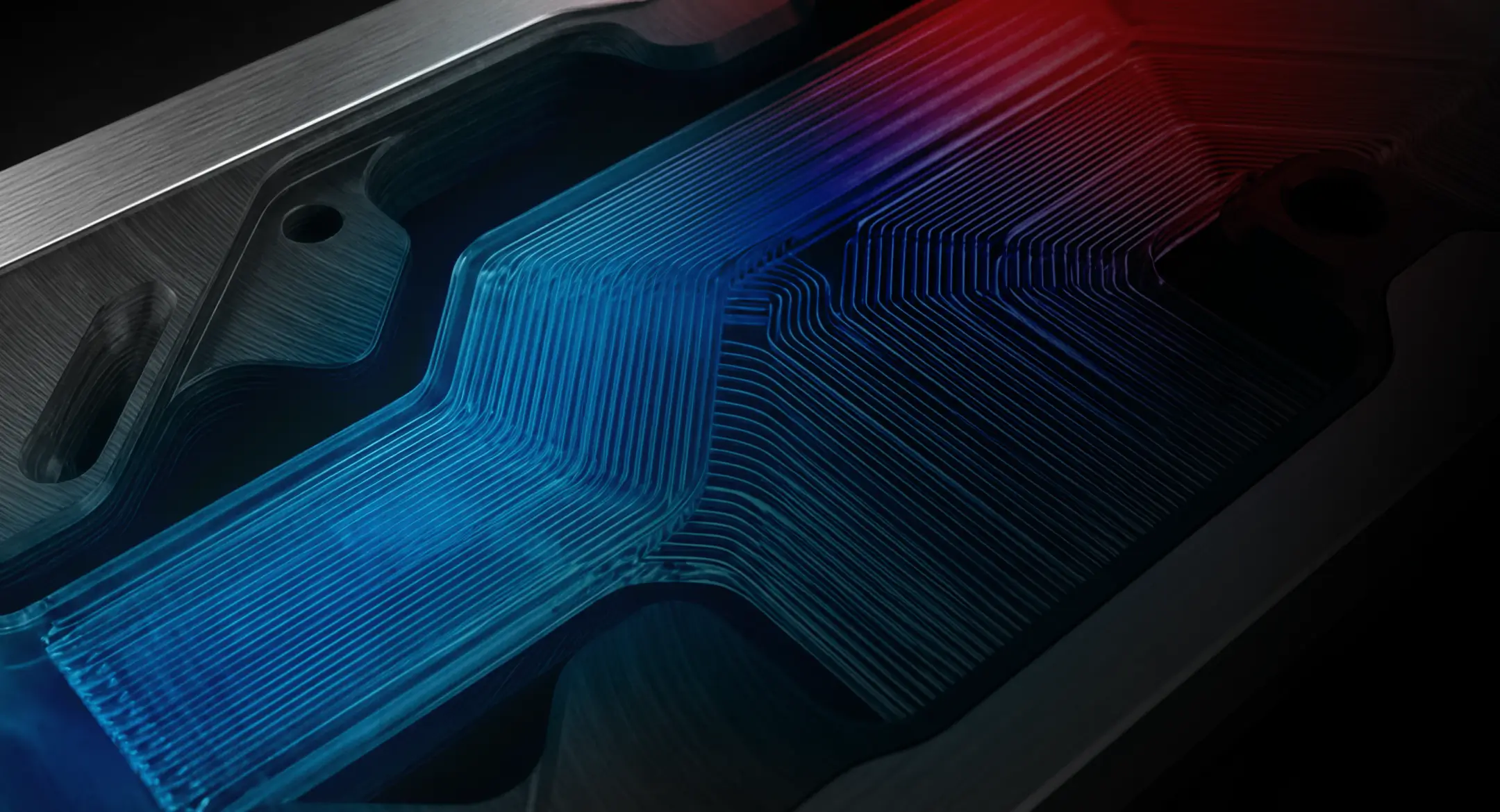
Built for infrastructure scale.
Transforming waste heat into value.
Lower emissions, built in.
Avnos is engineered to solve the cooling, water and energy constraints that limit infrastructure growth.

Next-generation infrastructure
A modular infrastructure system designed for modern scale
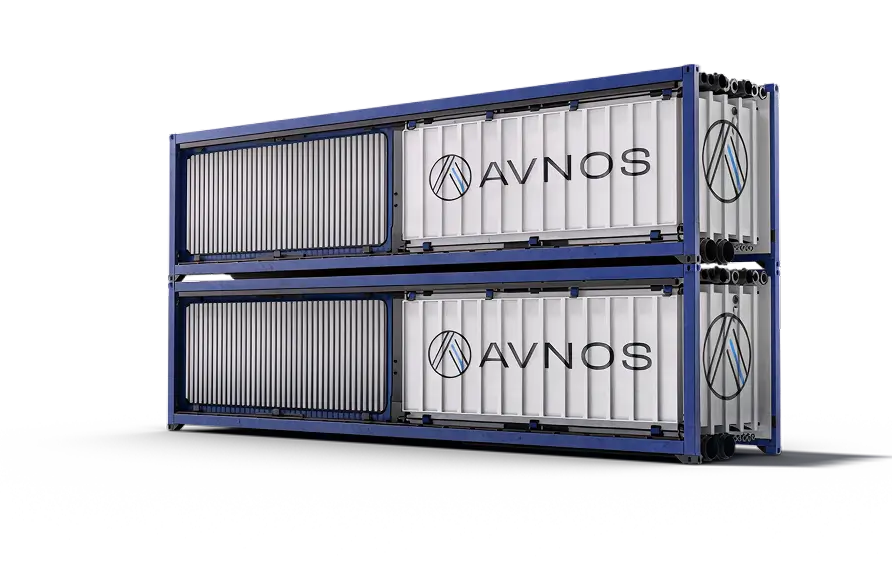
Avnos integrates directly into data centers and other industrial infrastructure, utilizing low-grade waste heat to support cooling, produce water, and deliver integrated carbon removal.
Avnos is a modular, factory-built platform designed for repeatable deployment across multiple industries and applications.
Avnos is backed by more than $100 million in funding from partners including Shell, Mitsubishi Corporation, NextEra Energy, ConocoPhillips, JetBlue Ventures, the U.S. Department of Energy, and the U.S. Department of Defense.
For partnerships, deployment, and technical collaboration

Avnos
What makes
Avnos different
Waste heat, put to work
Avnos converts low-grade waste heat into productive infrastructure outputs – reducing cooling load, increasing compute, and lowering emissions.
Water-positive
Avnos produces clean water, creating a new on-site water source for cooling and site operations.
Modular and scalable
Standardized modular units integrate directly into existing infrastructure, enabling repeatable deployment and expansion.
+ +
How Avnos works
Avnos’ platform, based on its Hybrid Direct Air Capture (HDAC™) technology, puts low-grade waste heat to work – converting it into cooling support, water production, and carbon removal through a single integrated system. The result is infrastructure that creates value from a resource most campuses discard.

See How HDAC Integrates with Existing Infrastructure
Explore how Hybrid Direct Air Capture (HDAC™) works alongside data centers and other industrial facilities to reduce water consumption while supporting carbon removal.
Avnos Applications
Built for infrastructure at scale
Turning waste heat into cooling support, water production, additional compute capacity, and integrated carbon removal.
- Avnos reuses waste heat to improve system efficiency
- Produces clean water for cooling reuse and other site operations
- Operates on opportunistic or curtailed power
- Integrates carbon removal directly into site operations – no additional energy infrastructure required.
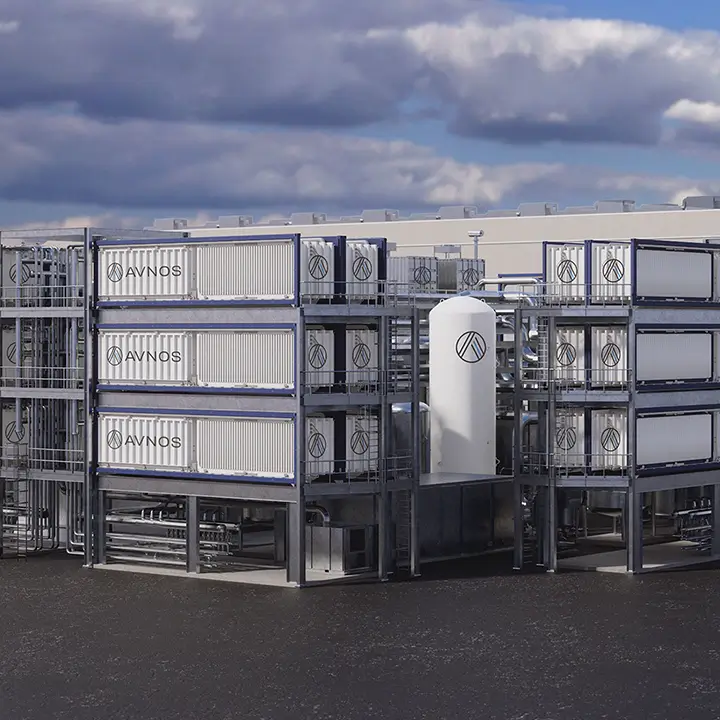
Permanent carbon storage aligned with emerging sequestration infrastructure.
- Clean, high-purity CO₂ stream for injection
- Flexible siting near Class VI wells and regional storage hubs
- Low infrastructure requirements enable rapid deployment.
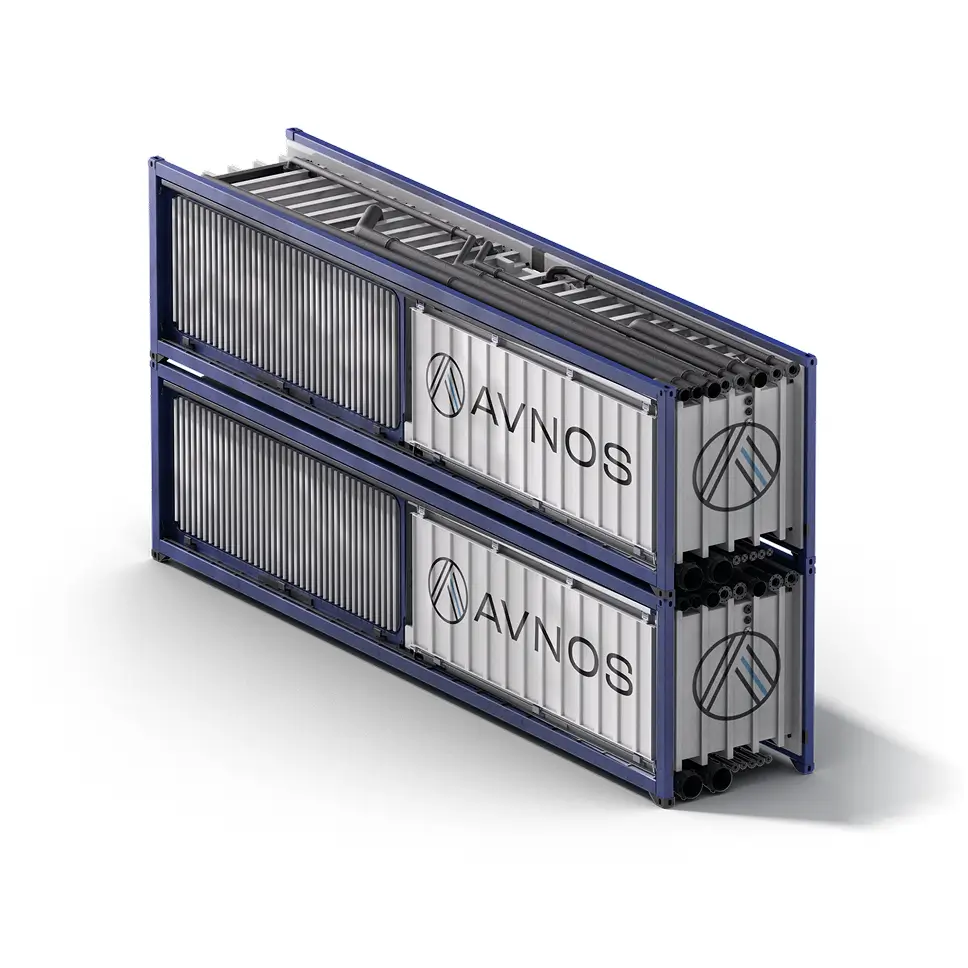
Clean CO₂ and water for next-generation fuel and synthesis pathways.
- High-purity CO₂ suitable for conversion processes
- Water co-product supports electrolysis and hydrogen production
- Lower-cost CO₂ improves SAF and methanol project economics.
- Atmospheric CO₂ and water inputs enable ultra-low carbon intensity (CI) fuel pathways.
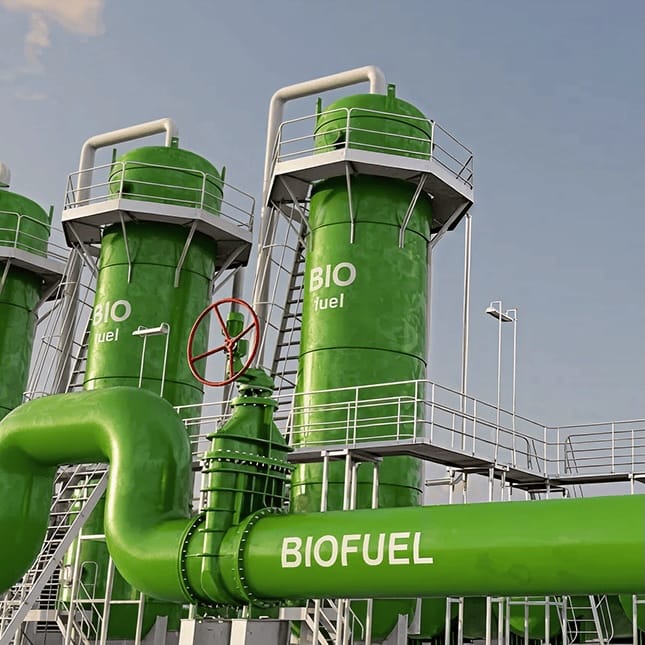
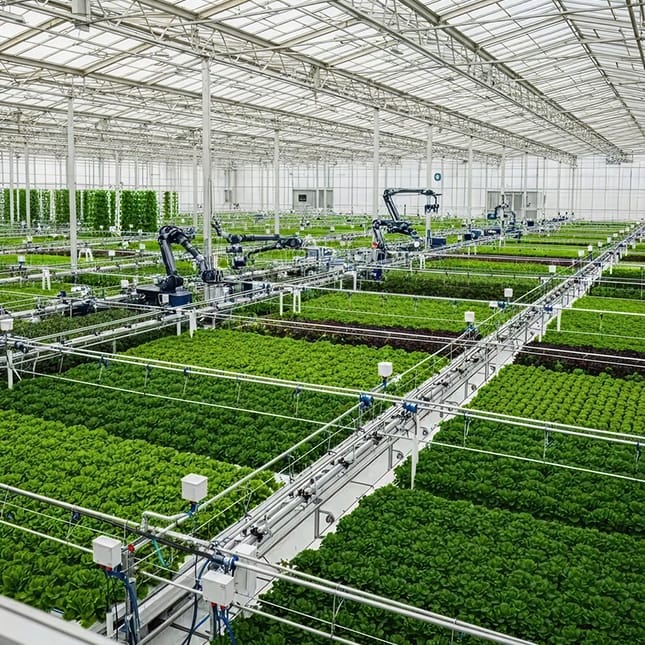
On-site CO₂ and water for resilient food and agriculture systems.
- A clean, reliable alternative to fossil-based CO₂ supply
- Ultra-clean CO₂ delivered on-site or near-site
- Stable pricing and dependable supply
- Water-positive operation supports agricultural systems.
Avnos deployment
Avnos is deploying modular infrastructure systems with global companies and federal agencies across digital infrastructure, energy, and industrial sectors.
USA
Project Cedar
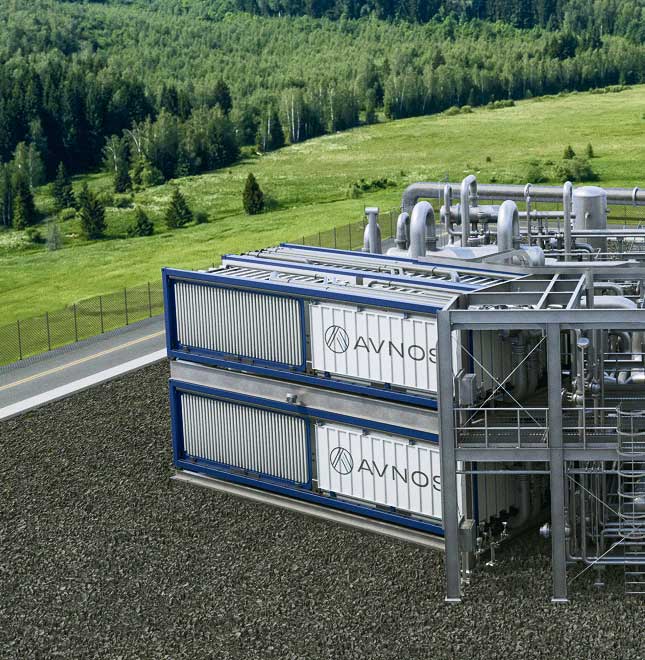
First-of-its-kind commercial-scale facility funded through up to $17 million in financing from Shell and Mitsubishi Corporation. Deploying multiple modules capturing 3,000 tCO₂ and producing more than 6,000 tonnes of clean water annually.
Construction is due to complete by the end of 2026.
Bridgewater, New Jersey
Project Brighton
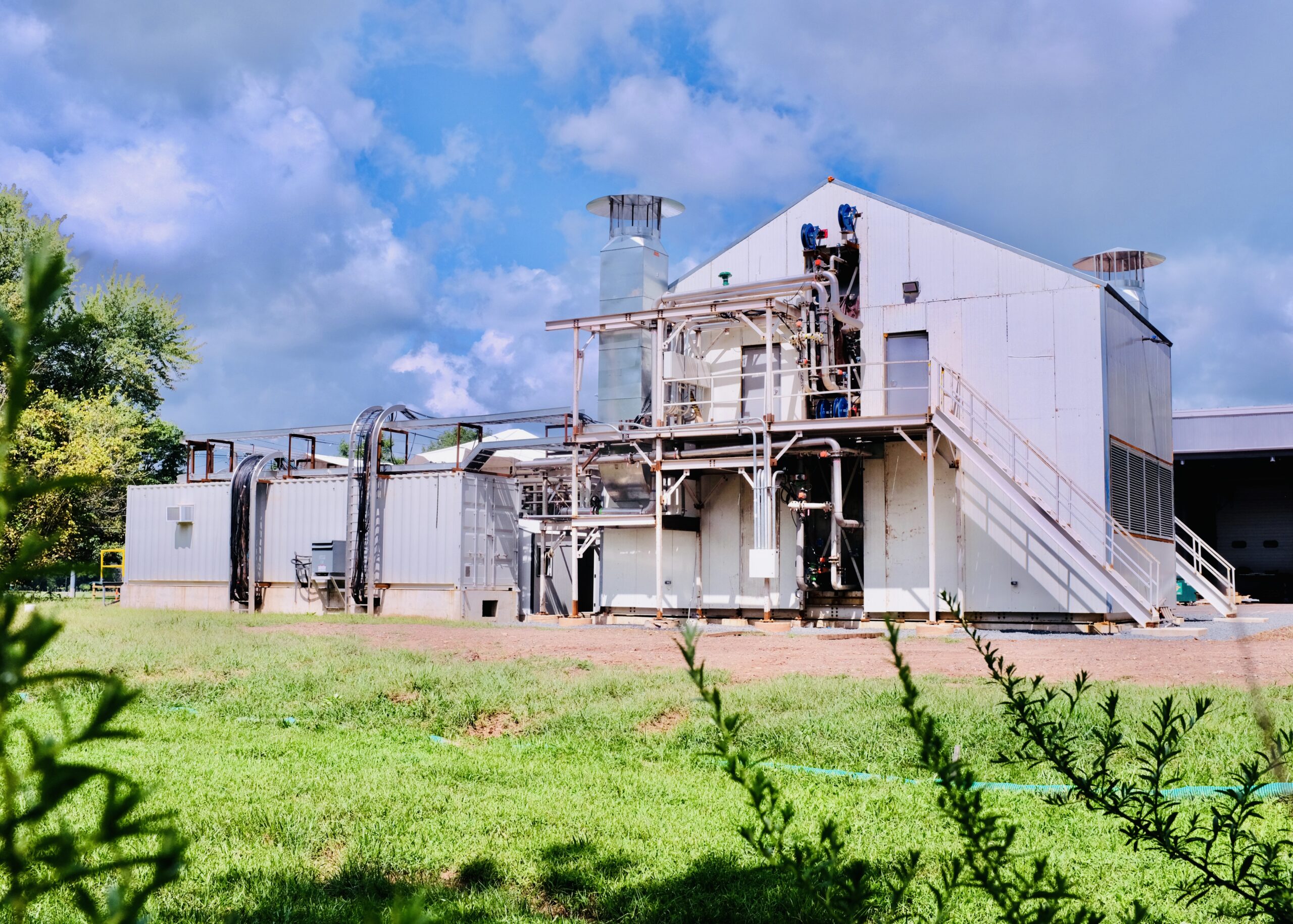
Demonstration unit with the U.S. Navy’s Office of Naval Research, now operational and validating Avnos performance and operational reliability under real-world conditions.
Operational.
Bridgewater, NJ
Technology
Development Center
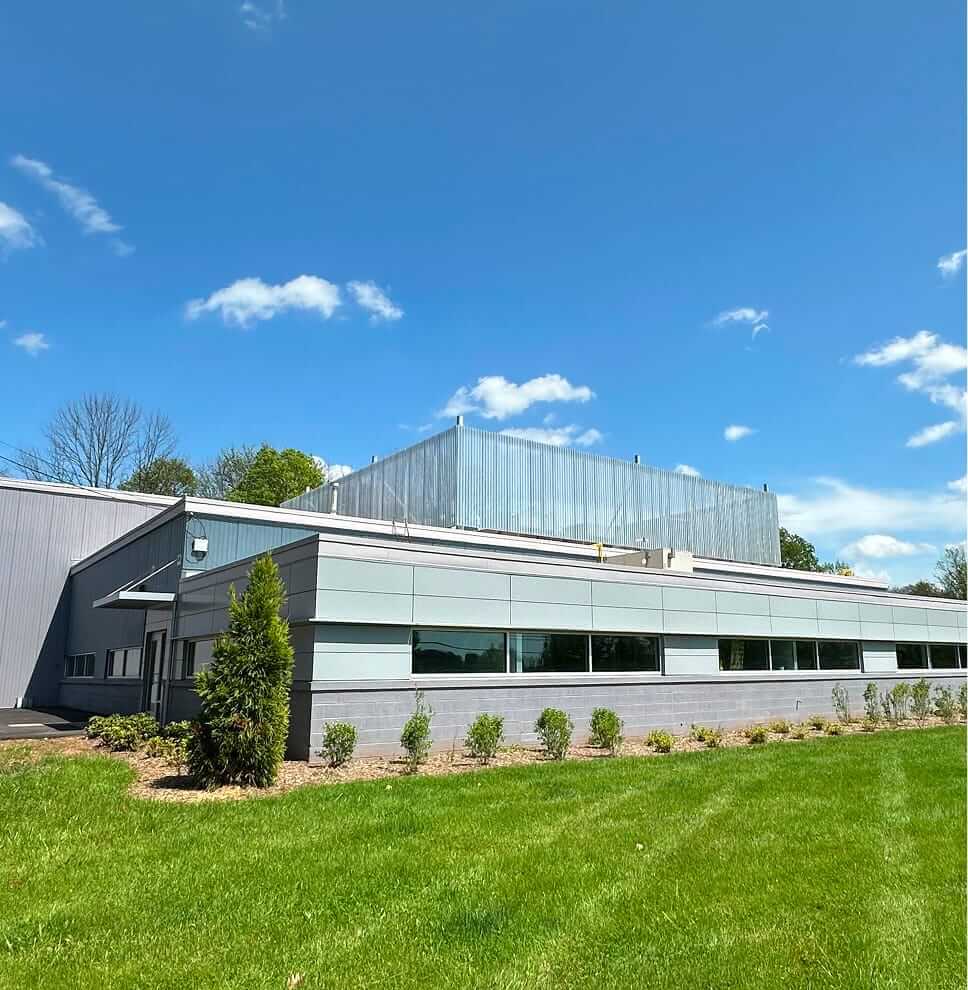
World-class, 20,000 sq ft R&D and prototyping facility integrating laboratories, engineering, and full-scale hardware development under one roof. Fully operational since early 2024, the Center accelerates innovation and scale-up.
Recognition
Featured in